

Hear from Our Customers
You’ve noticed the musty smell. Maybe you’ve seen discoloration on a wall or ceiling. Or maybe you’re dealing with unexplained allergies, headaches, or respiratory issues that won’t quit.
Here’s what most people don’t realize: the mold you can see is rarely the whole problem. It’s growing behind walls, under floors, in crawl spaces and attics. And guessing doesn’t help you fix it.
Professional mold testing tells you what type of mold you have, where it’s hiding, and how serious the situation is. That clarity matters because black mold requires different handling than surface mildew. You need real data to make smart decisions about your home and your family’s health.
Testing also catches problems early, before they turn into expensive repairs. A small moisture issue today can become a $15,000 remediation project six months from now. Early detection saves you money and stress.
We work across Bucks County, and we understand the mold challenges Ridge Valley homeowners face. Pennsylvania’s climate creates the perfect conditions for mold growth. Increased precipitation over the past few years means more moisture, more humidity, and more mold problems in local homes.
Our certified inspectors use advanced detection equipment to find mold in places you’d never think to check. We’re not here to upsell you or create panic. We’re here to give you accurate information so you can make informed decisions about your property.
We’ve built our reputation on transparency and results. When we test your home, you get a detailed report that explains what we found, what it means, and what your options are.
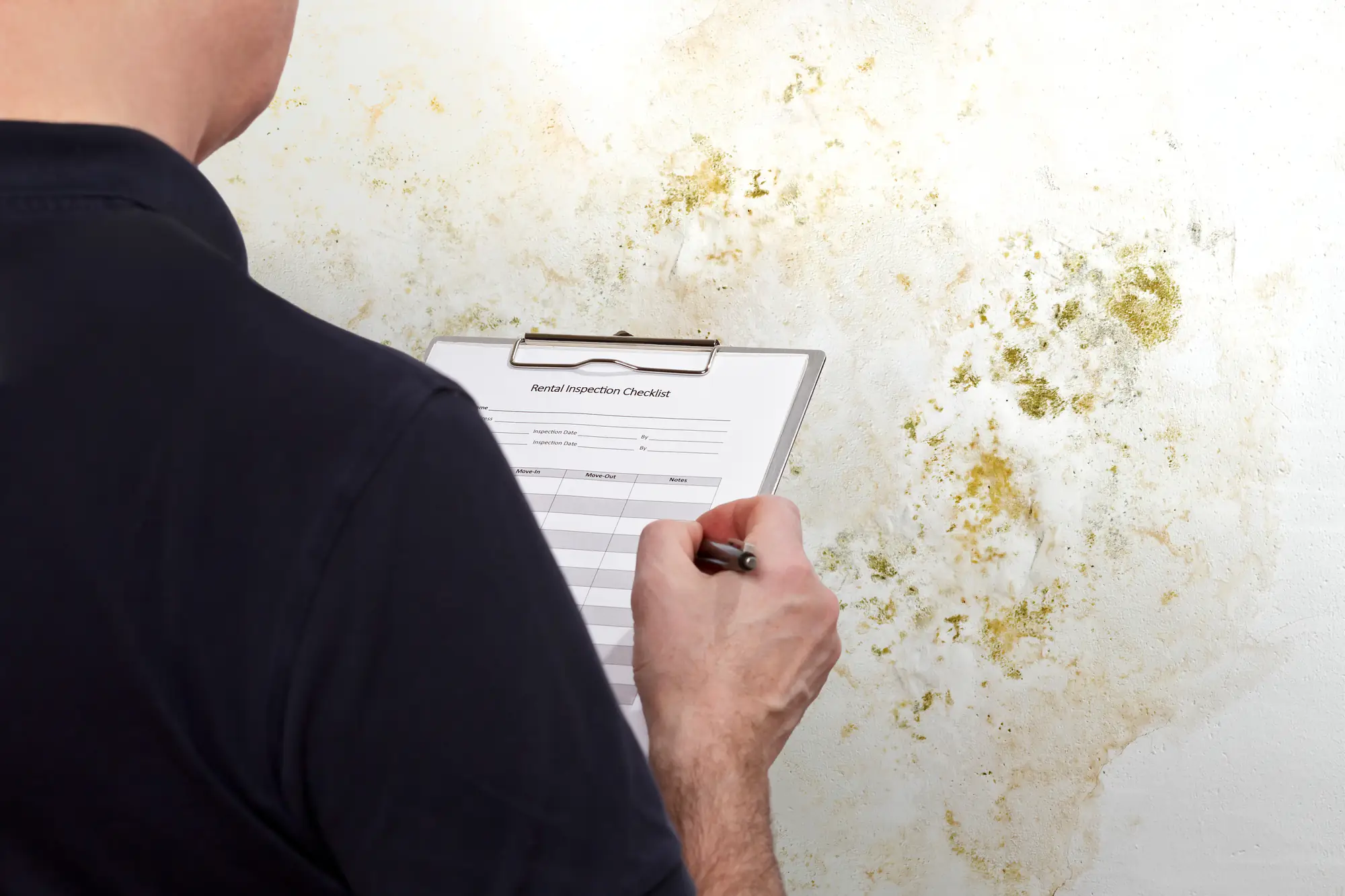
First, we walk through your home and talk about what you’ve noticed. Strange smells, visible growth, water damage, health symptoms. This conversation helps us understand where to focus our inspection.
Next, we conduct a visual assessment of your property. We check common problem areas like bathrooms, basements, attics, and crawl spaces. We also look for moisture sources: leaky pipes, poor ventilation, foundation issues, roof damage.
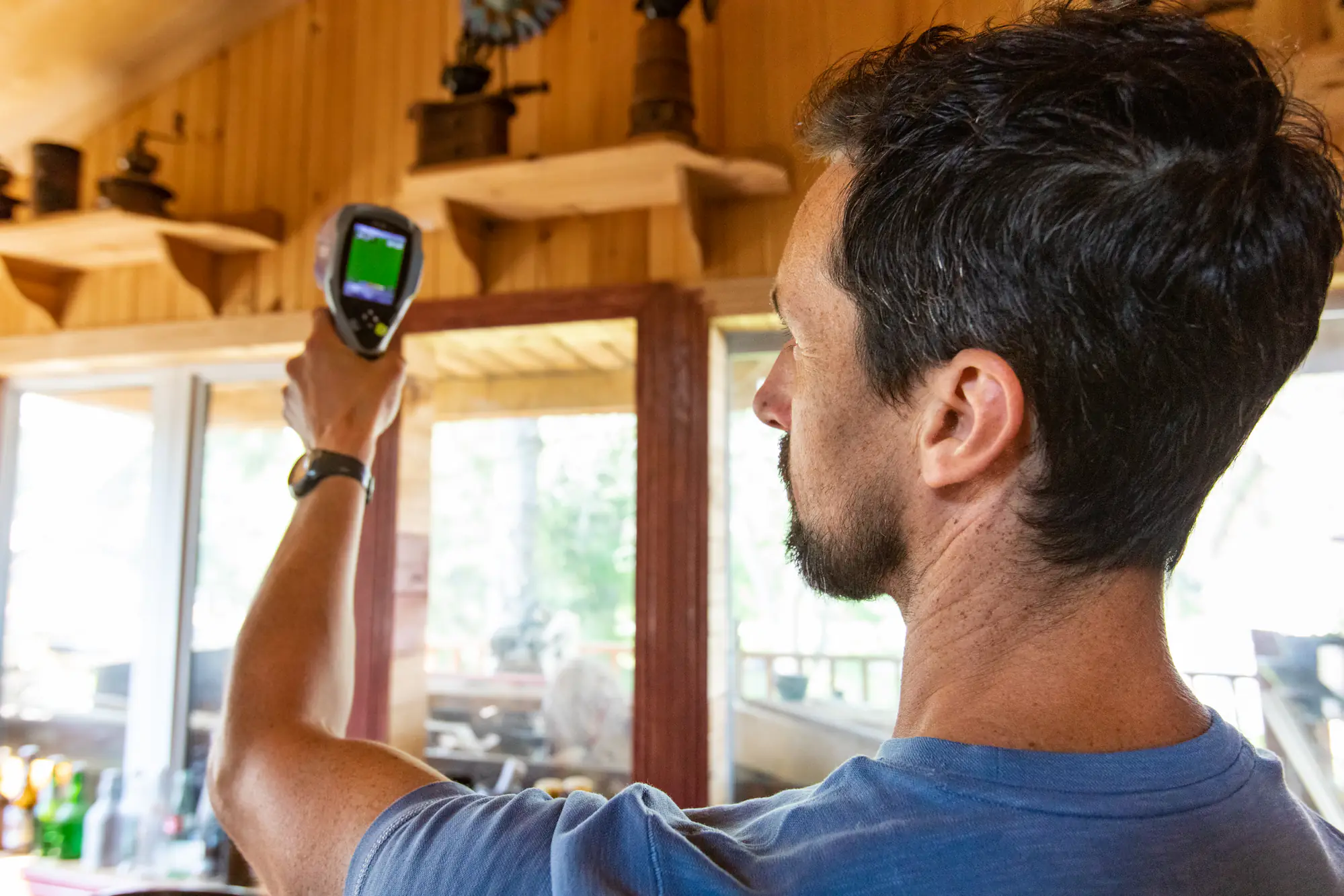
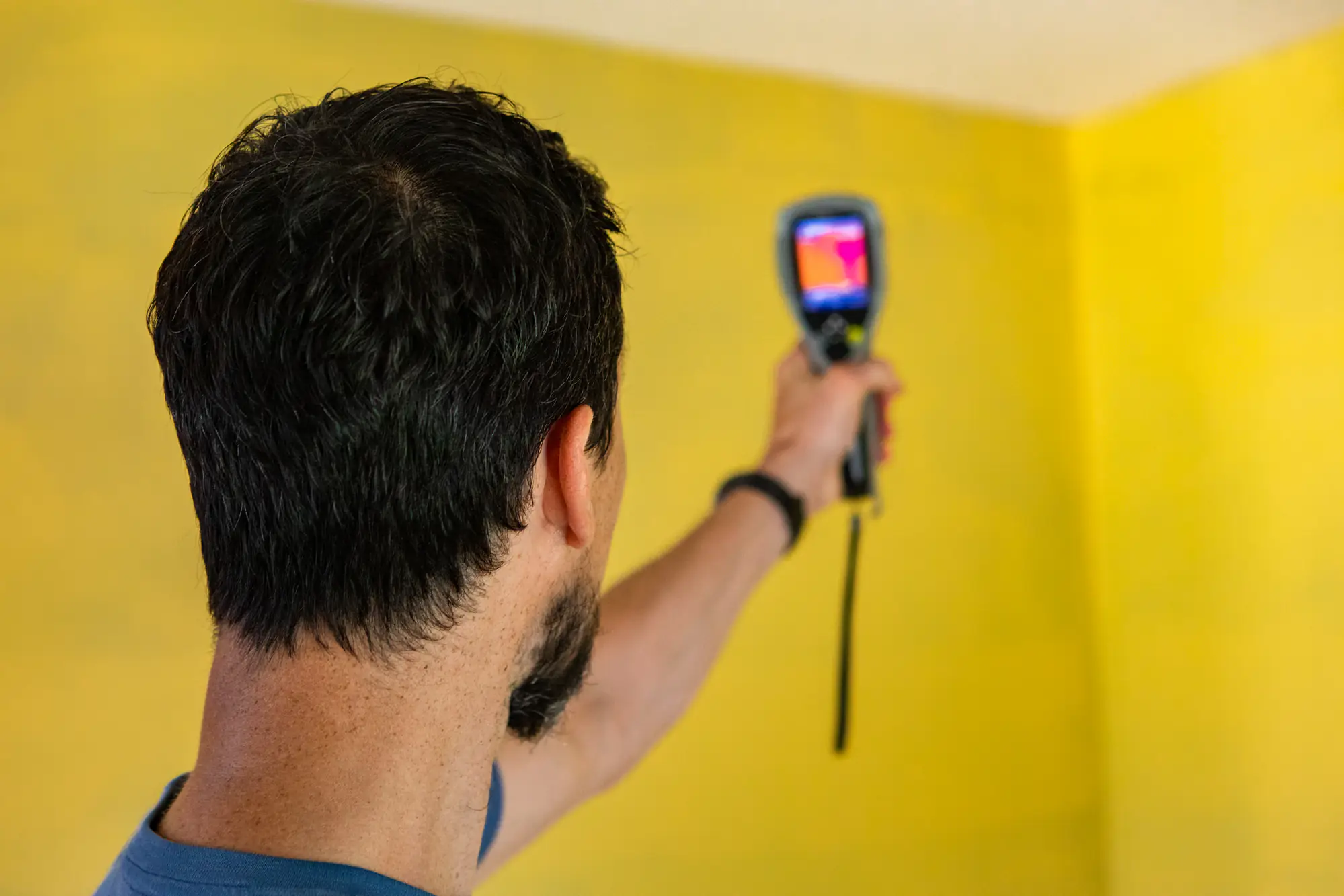
Then we use specialized equipment to detect mold you can’t see. Moisture meters identify hidden water problems. Thermal imaging cameras reveal temperature differences that indicate moisture behind walls. Air quality testing measures mold spore levels throughout your home.
We also collect samples when necessary. Surface samples test visible growth. Air samples measure airborne spores. These samples go to a certified lab for analysis so you get accurate identification of mold types.
After testing, you receive a comprehensive report. It details what we found, where we found it, and what type of mold is present. We explain the results in plain language and discuss your next steps, whether that’s remediation, moisture control, or continued monitoring.
Ready to get started?
Every mold testing service includes a thorough property inspection by our certified professionals. We examine your entire home, not just the obvious problem areas. Ridge Valley homes, like many properties in Bucks County, often have mold in unexpected places due to our regional humidity and precipitation patterns.
You get advanced detection technology as part of the service. Moisture mapping shows us exactly where water problems exist. Thermal imaging reveals hidden moisture behind finished surfaces. Indoor air quality testing measures the concentration of mold spores in different rooms.
Lab analysis is included when we collect samples. You’re not paying extra for someone to actually identify what’s growing in your home. The lab report tells you the specific mold species, concentration levels, and potential health risks.
Your detailed inspection report breaks down everything we found. It includes photos, moisture readings, air quality data, and lab results. More importantly, it includes our professional assessment of what the findings mean for your home and health. We also provide clear recommendations for addressing any issues we discover, whether that’s simple moisture control or full remediation.
You need professional testing if you’ve had water damage, notice a persistent musty odor, see visible mold growth, or experience unexplained health symptoms like respiratory issues, headaches, or allergies that improve when you leave your home. Testing is also smart before buying a property, after major storms or flooding, or if you have chronic moisture problems.
Here’s the reality: at least 45 million buildings in the U.S. have unhealthy mold levels. You can’t always see it or smell it, especially in early stages. Professional testing finds problems before they become expensive disasters.
DIY test kits from hardware stores don’t give you accurate information. They can’t tell you mold species, concentration levels, or where the source is located. Professional testing uses calibrated equipment and certified lab analysis to give you data you can actually use to protect your home and family.
A mold inspection is a visual assessment where we examine your property for signs of mold growth, moisture problems, and conditions that support mold. We check walls, ceilings, floors, HVAC systems, and other areas. This tells us if you likely have a mold problem and where it might be.
Mold testing goes further. We collect air samples, surface samples, or both, then send them to a certified lab for analysis. Testing identifies the specific types of mold present and measures concentration levels. This matters because different molds require different responses. Black mold is a serious health hazard. Other molds are less dangerous but still need attention.
Most homeowners benefit from both. The inspection finds the problem areas. The testing confirms what’s growing and how severe it is. Together, they give you complete information to make smart decisions about remediation. In Pennsylvania, professional mold assessment requires a license, so you’re getting trained expertise, not guesswork.
The on-site inspection and testing typically takes two to three hours, depending on your home’s size and the extent of suspected mold growth. We’re thorough because missing a problem area means you don’t get the full picture.
Lab results usually come back within three to five business days. The lab needs time to culture samples and identify mold species accurately. Rush processing is sometimes available if you’re dealing with an urgent situation, like a real estate transaction with a tight deadline.
You’ll receive a detailed report that explains the findings in language you can understand, not just technical jargon. We walk you through the results and answer your questions. If remediation is necessary, we discuss your options and next steps. The goal is to give you clarity fast so you can move forward with confidence, whether that means addressing a problem or confirming your home is safe.
Mold testing identifies what types of mold are in your home and at what concentration levels. Certain molds, especially black mold (Stachybotrys), produce toxins that cause serious health problems. Testing confirms if these dangerous species are present.
However, testing can’t diagnose medical conditions. If you’re experiencing symptoms like chronic coughing, breathing difficulty, skin rashes, or persistent headaches, you should see a doctor. Most doctors don’t have specific training in mold illness, so you may need to mention mold exposure as a possibility.
What testing does is give you and your doctor important information. If lab results show high levels of toxic mold in your home, that supports the connection between your environment and your symptoms. About 4.6 million asthma cases in the U.S. are linked to mold and dampness in homes. Children exposed to mold in their first year have nearly three times the risk of developing asthma. Testing helps you understand if your home is contributing to health problems so you can take action.
If we find mold, you get a clear report that shows what type it is, where it’s located, and how extensive the problem is. Not all mold requires major remediation. Sometimes improved ventilation and moisture control are enough for minor issues.
For more serious problems, professional mold removal is necessary. This involves containing the affected area, removing contaminated materials, cleaning surfaces with specialized products, and addressing the moisture source so mold doesn’t return. Costs vary widely based on severity, from a few hundred dollars to several thousand for extensive growth.
The good news is that early detection through testing prevents worst-case scenarios. A small problem caught now is far cheaper and easier to fix than widespread contamination discovered later. We help you understand your options, work with your insurance company if coverage applies, and create a remediation plan that makes sense for your situation and budget. Our goal is to get your home safe and healthy as efficiently as possible.
Professional mold testing typically ranges from $300 to $900, depending on your home’s size, the number of samples needed, and the complexity of the inspection. A basic inspection with a few air samples costs less than comprehensive testing with multiple surface and air samples throughout a large property.
That investment gives you accurate information about your home’s air quality and any mold problems. Compare that to the average mold remediation cost of $500 to $6,000, which can climb into the tens of thousands for severe cases. Testing helps you catch problems early when they’re cheaper to fix.
Many homeowners skip testing to save money, then end up paying far more for extensive remediation later. Others waste money on DIY solutions that don’t address the real problem because they’re guessing instead of testing. Professional testing removes the guesswork. You know exactly what you’re dealing with and can make informed decisions about protecting your home and family. We also offer free initial inspections to assess your situation before you commit to full testing.
Other Services we provide in Ridge Valley